
Key Takeaways:
- Digital PR is more than press releases: It combines classic PR with digital channels and SEO strategies to maximize visibility.
- High-quality backlinks: Online PR earns trusted references that strengthen both brand perception and your Google rankings.
- Measurable results: Unlike traditional PR, you can track the impact of digital PR precisely and optimize based on what works.
- AI readiness matters: Brands mentioned in relevant media are more likely to show up in LLM training data and get cited in AI answers. Digital PR is a key part in generative engine optimization (GEO).
- Integration is key: Strong digital PR connects paid, owned, and earned media into a seamless communications strategy.
Everyone loves to say “content is king,” but there’s a crucial truth most people miss:
Without the right multipliers, even the best content stays a well-kept secret.
Digital PR is the key that opens the doors to the publications that matter—and amplifies your message far beyond your own channels. Since 2020, the discipline has also seen significant growth, which current growth data on digital PR impressively demonstrates.
-
 Last updated: 12. February 2026Answer Engine Optimization (AEO): AI visibility in 2026
 -
 Last updated: 6. February 2026Top 10 Marketing Trends and Priorities 2025/2026
 -
 Last updated: 12. February 2026Generative Engine Optimization (GEO) explained
What is Digital PR?
Online PR—or digital public relations—is the strategic communication of a company via the internet as part of its PR and public affairs efforts. Unlike traditional PR, digital PR leverages the full set of online channels and formats to strengthen a company’s reputation and increase brand awareness.
Digital PR differs from traditional PR primarily in its interactivity and reach. While traditional PR focuses on print, TV, and radio, online PR also uses websites, social media, blogs, and other digital platforms.
A central feature of online PR is its close connection to search engine optimization (SEO). Through strategically placed backlinks in high-quality publications, digital PR not only improves brand perception but simultaneously strengthens search engine ranking.
- Two-way communication: Unlike one-way traditional PR, digital PR enables direct feedback and real dialogue.
- Measurable: Results can be tracked precisely using digital metrics.
- Scalable reach: Digital PR can, in principle, reach a global audience.
- SEO and GEO impact: High-quality backlinks and mentions from PR efforts can improve search and AI visibility.
According to Google’s John Mueller, digital PR is “just as important as technical SEO, in many cases even more important” – a clear statement on the growing significance of this discipline for long-term online success.
Why Is Digital PR Indispensable Today?
In a world where most buying journeys start with online research, digital PR isn’t optional. It’s necessary. With targeted online PR, you can reach far more potential customers than you can through traditional PR alone.
In the digital age, trust is the most valuable currency. While advertising is often met with skepticism, editorial coverage and mentions in independent media carry significantly more credibility.
Digital PR leverages exactly that by securing credible mentions of your brand in trusted, third-party sources.
Especially relevant for 2026: As generative AI becomes embedded in search engines and assistants, the value of independent mentions increases even further.
According to a current study by xfunnel, AI systems like ChatGPT, Google Gemini or Perplexity prefer sources considered trustworthy and independent when answering top-of-funnel questions.
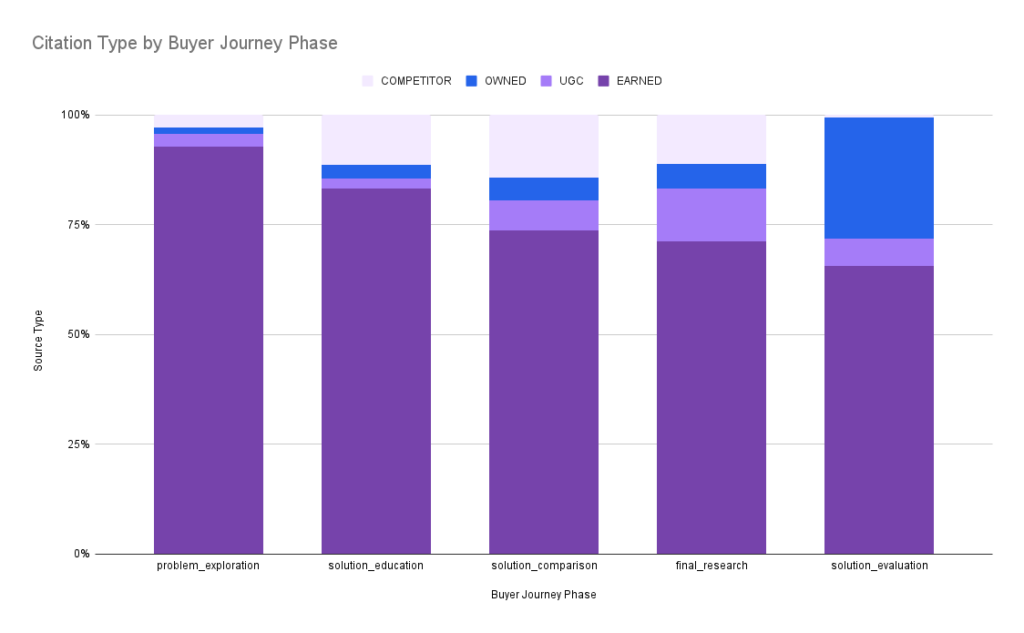
If your brand is mentioned in top-tier outlets like FAZ, Handelsblatt, or Der Spiegel, there’s a very high likelihood it will end up in the training data of major language models. That increases the chance that your brand and ideas show up in AI-generated answers—even when no external sources are cited.
In this video, I’ll explain why digital PR is worth it as a channel in its own right and why it also helps future-proof your brand for AI:
Which channels and tactics shape digital PR?
Digital PR uses a wide range of channels and tactics that reinforce each other. The right mix depends on your goals, audience, and available resources and a strategic combination usually delivers the best results.
1. Press release distribution & newsrooms
Digital press portals like openPR, ots, or PR Newswire distribute your press releases online and help you reach journalists and editors.
A well-maintained digital newsroom on your company website also gives media contacts everything they need in one place, key facts, images, and contact details.
2. Trade publications
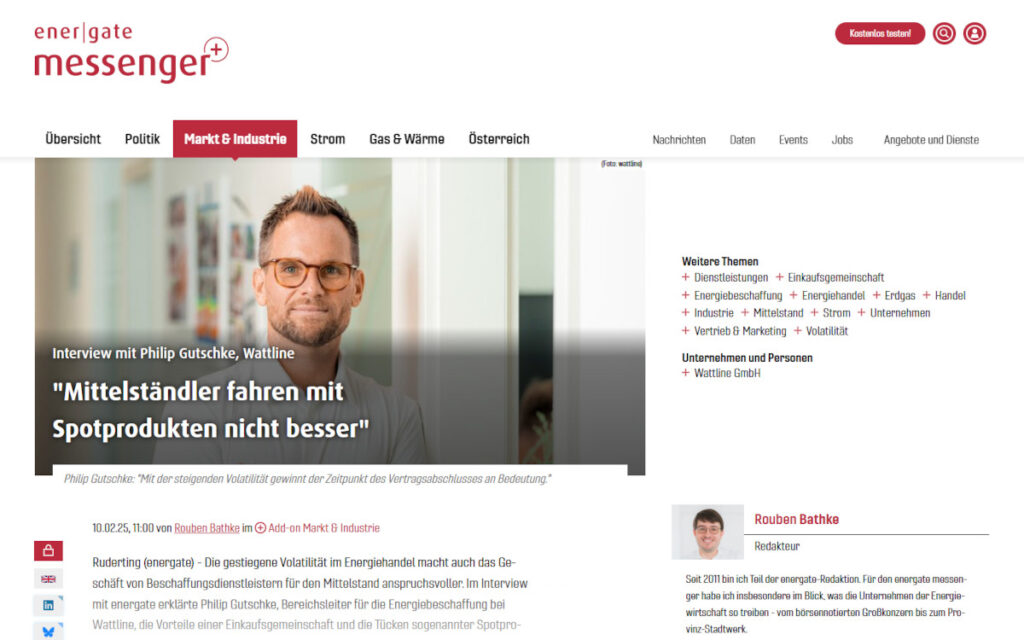
Trade outlets—whether fully digital or with a strong digital presence—are ideal for deeper, more technical content. Guest articles, interviews, or expert quotes in relevant industry publications help establish you as a thought leader.
These publications often have a very specific but highly relevant audience that matches your offering.
3. Thought leadership in your domain
Thought leadership means being recognized as a trusted voice in your industry through valuable insights, analysis, and opinions. Regular posts on LinkedIn, contributions to industry media, or appearing as a podcast guest can position you and your company as experts.
Building thought leadership takes time and consistency but it compounds through trust and a loyal audience.
4. Original research and proprietary data
Nothing attracts attention and backlinks like exclusive data. By running and publishing your own studies, surveys, or market analyses, you create assets media outlets love to cite.
Original research is a cornerstone of strong digital PR—and can generate mentions and links for years. Additional bonus: generative engines love original research.
Want to learn which content assets every digital PR campaign needs? We cover it in this episode:
5. Social media and influencer relations
Social platforms aren’t just marketing channels. They’re also important PR instruments. They let you engage directly with your audience, respond to issues quickly, and amplify your message.
Working with influencers—especially micro-influencers in your niche—can also increase the credibility and reach of what you have to say.
High-performing digital PR formats with built-in synergies
The most effective digital PR campaigns use multiple formats that reinforce each other—and can be repurposed across channels. These integrated approaches create synergies between PR, SEO, content marketing, and Generative Engine Optimization.
With a strategic setup, you can turn the same core foundation into multiple content formats that perform well on different platforms.
Studies & surveys
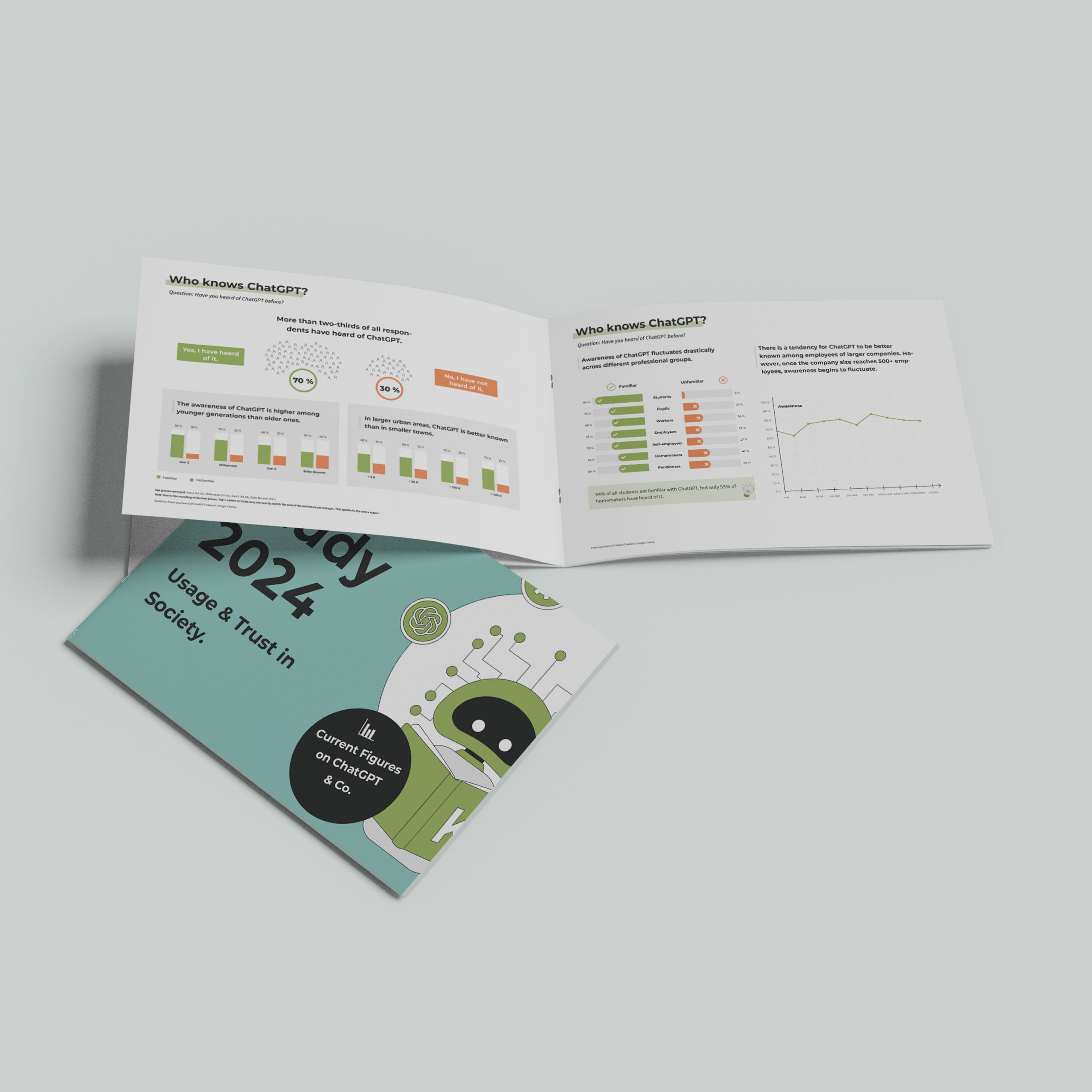
Original market research is the gold standard in digital PR. By collecting exclusive data on relevant industry topics, you create assets that media outlets love to pick up.
According to current surveys, brands with proprietary studies have a 68% higher chance of journalist interactions, as such insights can be immediately used for reporting.
A well-designed study can fuel PR activities for months, from press releases to social snippets, infographics, and webinars.
- Ensure relevance: pick topics that matter to both your audience and journalists.
- Be transparent about methodology: document your approach carefully to build trust.
- Visualize the findings: charts and infographics increase the likelihood of media pickup.
- Explore multiple angles: break the data into several topic-specific press releases.
Example: Evergreen Media collects proprietary data on “How people in the DACH region use generative AI.” The insights are packaged into a whitepaper (SEO asset), turned into a press release (PR angle), and distributed via outreach to trade media and industry portals (link building).
Expert commentary on current developments
Reactive PR—responding quickly to news—is a powerful lever. By commenting on relevant industry events, regulatory changes, or market shifts, you can earn valuable media coverage with relatively little effort.
Many journalists actively look for expert commentary to strengthen their reporting. The effort: a short interview (e.g., via Fireflies), and you’re done.
Thought leadership in trade publications
Publishing substantive articles in respected industry outlets builds authority and earns high-quality backlinks. These pieces shouldn’t be promotional. They should deliver real value, such as insider insights or a fresh analysis of current trends.
Unique data stories from your systems
Many companies sit on a goldmine of internal data without realizing it. Anonymized insights from customer data, sales numbers, or usage stats can become compelling media stories.
These exclusive angles are especially valuable because they can’t be found anywhere else.
How do you effectively combine digital PR, SEO and GEO?
Combining digital PR, SEO and GEO is especially powerful because the disciplines reinforce each other.
SEO ensures you’re aligned with demand and relevance. Digital PR delivers the backlinks and mentions that are often essential for top rankings. A strong strategy integrates both seamlessly.
1. Define shared goals
Successful integration starts with shared objectives. SEO and PR teams should work closely together and align their strategies.
Define clear KPIs that matter to both functions, such as the number of high-quality backlinks, improvements in domain authority, or organic traffic growth driven by PR activity.
2. Build content formats with “double impact”
Create content that is both PR-worthy and SEO-relevant. Data-driven studies, industry reports, or comprehensive guides work exceptionally well for both: they generate media interest and earn valuable backlinks that strengthen SEO.
SEO keyword research can also help identify PR topics people are actually searching for.
3. Use PR as targeted link building
High-quality backlinks are still one of the most important ranking factors. Through focused PR, you can earn natural, editorial links from trusted sources, something pure SEO tactics rarely achieve at scale.
Prioritize topical relevance: a link from a highly relevant trade publication is typically more valuable than a link from a general news site.
4. Editorial alignment & timing
Coordinate PR and SEO activity on the same timeline. For example, if you’re launching a new product category, your PR campaign and SEO initiatives should start in parallel.
That way, both efforts amplify each other and maximize visibility at the right moment.
Best practices for integration
- Regular joint meetings between PR and SEO teams
- Shared content calendars and coordinated campaign planning
- A unified keyword strategy across PR and SEO content
- A tracking system that measures the SEO impact of PR activities
How do you measure success in digital PR?
Measuring the success of your digital PR efforts is essential, both to optimize your strategy and to prove ROI.
Unlike traditional PR, the digital world offers a wide set of metrics that give you precise insight into what’s working. To actually benefit from the data, you need a structured approach and the right tools.
1. The most important KPIs
For a robust measurement framework, track KPIs across multiple categories:
- Media coverage & reach show how often your company is mentioned in online publications and the potential audience you’ve reached. Pay particular attention to your share of voice in the industry compared to competitors.
- SEO metrics focus on the number and quality of backlinks earned. Track how PR impacts your domain authority and whether your rankings improve for relevant keywords. This connects PR activity directly to search performance.
- Ultimately, what matters most is business impact: Is qualified organic traffic increasing? Are PR activities driving more leads or sales? Is brand awareness growing, visible through more branded searches and higher direct traffic? These KPIs tie PR back to company outcomes.
2. Tools for monitoring and reporting
The right tools make success measurement more efficient and precise.
- For media monitoring, you can use platforms like Meltwater, Talkwalker or ARGUS DATA INSIGHTS to capture and analyze all online mentions of your brand.
- For SEO analysis, tools like Ahrefs, SEMrush or seoClarity are suitable. They help you track backlinks, measure domain authority, and monitor rankings. Analytics platforms like Google Analytics or Adobe Analytics deliver important data on traffic and conversions.
- For social listening, tools like Brandwatch or Hootsuite help you analyze engagement and sentiment across social channels. A unified dashboard that brings all metrics together helps you keep a clear view of overall performance.
Reporting framework for digital PR
- Monthly: deep-dive on traffic, rankings, and conversions; quick overview of new mentions and backlinks
- Quarterly: strategic review and adjustment of PR initiatives
- Yearly: full ROI evaluation and alignment with new goals
Where is digital PR heading?
Digital PR is evolving constantly, driven by technology and a rapidly changing media landscape.
For 2026 and beyond, clear trends are emerging that will shape the future of online PR. Understanding these shifts and using them proactively will be crucial for long-term PR success.
1. AI as the engine of digital PR
AI is transforming digital PR in two ways: as a productivity tool for PR teams, and as a new “layer” between brands and audiences.
Today, 66% of PR professionals already use AI daily for tasks like press release drafting, sentiment analysis, and journalist outreach (see ‘AI Use in PR Practice’).
More disruptive is the impact of generative AI on information discovery. When ChatGPT, Google Gemini, and other AI assistants answer questions directly, the cited sources become the new “top rankings.”
That means PR strategies increasingly need to focus on being named as a trusted source inside AI-generated answers.
- AI-powered media research: algorithms identify relevant journalists and outlets more precisely than ever
- Automated personalization: tailored pitches based on a journalist’s interests and publishing history
- Predictive analytics: forecasting topic trends and ideal publication windows
- Content generation: AI-assisted drafting of press releases and baseline content
2. Blurring lines between paid, owned, and earned
The boundaries between paid, owned, and earned media are fading. Future-proof digital PR strategies will integrate these channels seamlessly:
- Content amplification: owned content is boosted via paid promotion and then earns organic mentions
- Influencer partnerships: collaborations blend paid relationships with organic reach
- Data-driven orchestration: channel mix is dynamically adjusted based on performance data
In this integrated future, digital PR won’t be treated as a standalone discipline. It becomes a core part of an end-to-end communications strategy.
Companies that drive this integration early will gain a meaningful competitive advantage.
Future trends in digital PR
- Micro-influencers over mass reach: authentic voices with high engagement in specific niches
- Video PR over text-only: multimedia continues to gain importance
- Data storytelling: packaging and visualizing proprietary data becomes a PR catalyst
What you should do next
To succeed in the fast-moving world of digital PR, you need a structured approach. A systematic process helps you set the right priorities and use your resources efficiently.
Here are the key steps to start now:
1. Analyze your current situation
Start with a thorough baseline assessment:
- How visible is your brand online today?
- Which outlets are already covering you?
- What does your website’s backlink profile look like?
Also analyze competitors: where are they being mentioned, and what PR strategies are they using? These insights form the foundation of your own strategy.
2. Build a strategy with clear goals
Define precise, measurable objectives for digital PR. Are you trying to increase brand awareness, rank for specific keywords, or generate more qualified leads?
Decide which KPIs you’ll track, and set realistic timelines for hitting your goals.
3. Map media and influencers
Create a detailed list of relevant publications, blogs, and opinion leaders in your space. Identify the right editors and their specific beats and interests.
This mapping helps you focus your PR efforts and engage the right contacts.
4. Develop a content strategy with PR potential
Build a content strategy that systematically plans PR-worthy assets. Look for data and stories inside your company that could be newsworthy.
Tie these assets to your SEO goals to create synergies and maximize impact.
5. Set up the technical infrastructure
Make sure you have the tooling you need for monitoring, outreach, and measurement.
A solid CRM for media contacts, reliable monitoring tools, and robust analytics are essential for professional digital PR.
Frequently Asked Questions
While content marketing focuses on owned content distributed through your own channels, digital PR aims to earn mentions and coverage on external platforms. You fully control content marketing; in PR, the final narrative ultimately sits with the outlet.
Early wins—like individual media mentions—can happen within a few weeks. But durable SEO impact and systematic reputation-building typically require six months or more of consistent execution and strategic planning.
A solid digital PR program for mid-sized companies typically starts at around €5,000 per month, depending on industry, goals, and internal resources. Costs vary based on the level of intensity and reach you’re aiming for.
Press releases are no longer the central PR instrument, but they still have their place as official company communications. Today, they’re mainly used as a foundation for other formats—while personalized pitches and exclusive story angles tend to be far more effective for securing media placements.



Comment